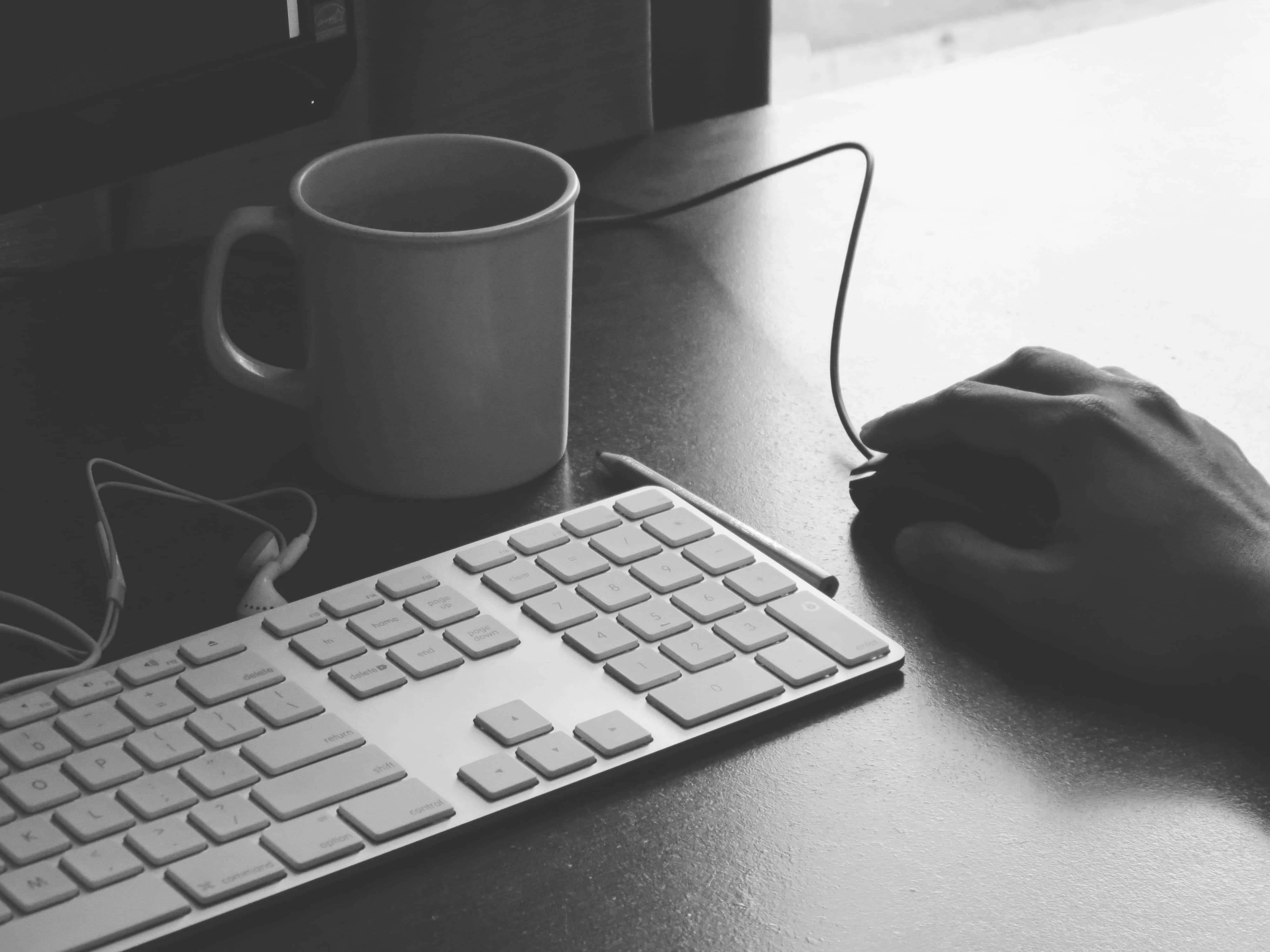

You know that in this world every one is getting a key board which is not aligned properly every alphabet is scattered on the box even in the mobile virtual keyboard there is also unordered keyboard layout. Why this managed layout is there? Why we need to know that which letter is after which specific letter?
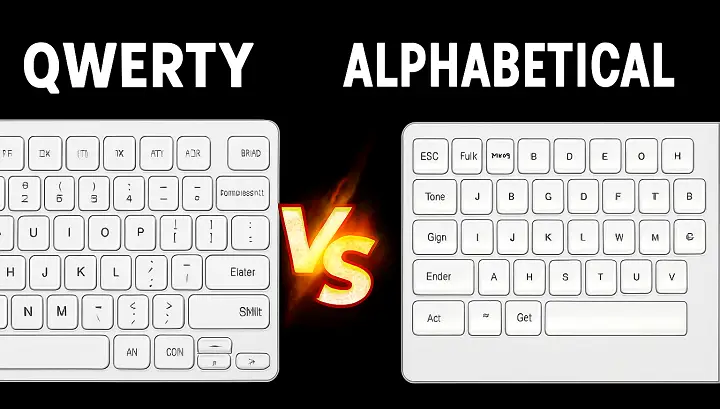
In this blog, we’re diving into a set of uncommon yet thought-provoking questions that challenge how we see the everyday keyboard—something we use constantly but rarely question. Why are the letters scattered instead of arranged alphabetically? Why do we memorize their positions without ever asking why they’re placed that way? From the legacy of typewriters to the psychology of muscle memory, today’s keyboard layout is more than just a design—it’s a system shaped by history, habit, and hidden logic. By exploring these overlooked details, you’ll gain a deeper appreciation for the layout we’ve all come to rely on, and maybe even rethink how we interact with technology itself.
Read more contents
- Stenography
- DEO (Data Entry Operator)
- DCA (Diploma in Computer Application)
- ADIT (Advance Diploma in Computer Application)
- ADCA (Advance Diploma in Computer Application)
The starting phase of the Keyboard
Keyboard was developed for input only. The truth is, this layout wasn’t designed for speed or logic. It was created to solve a mechanical problem. Yes! The starting phase was exact order of the alphabets in the keyboard but the main problem was that the typist was totally familiar with the sequence of the alphabets so they types faster than the capability of handling power of the machine.
Typewriters had mechanical arms that would swing up and strike the paper. If two letters were typed too quickly in succession—especially ones placed close together—the arms would collide and jam. It was a frustrating flaw in the design. So engineers had to think differently. They didn’t want to make the machine faster—they wanted to slow the human down.
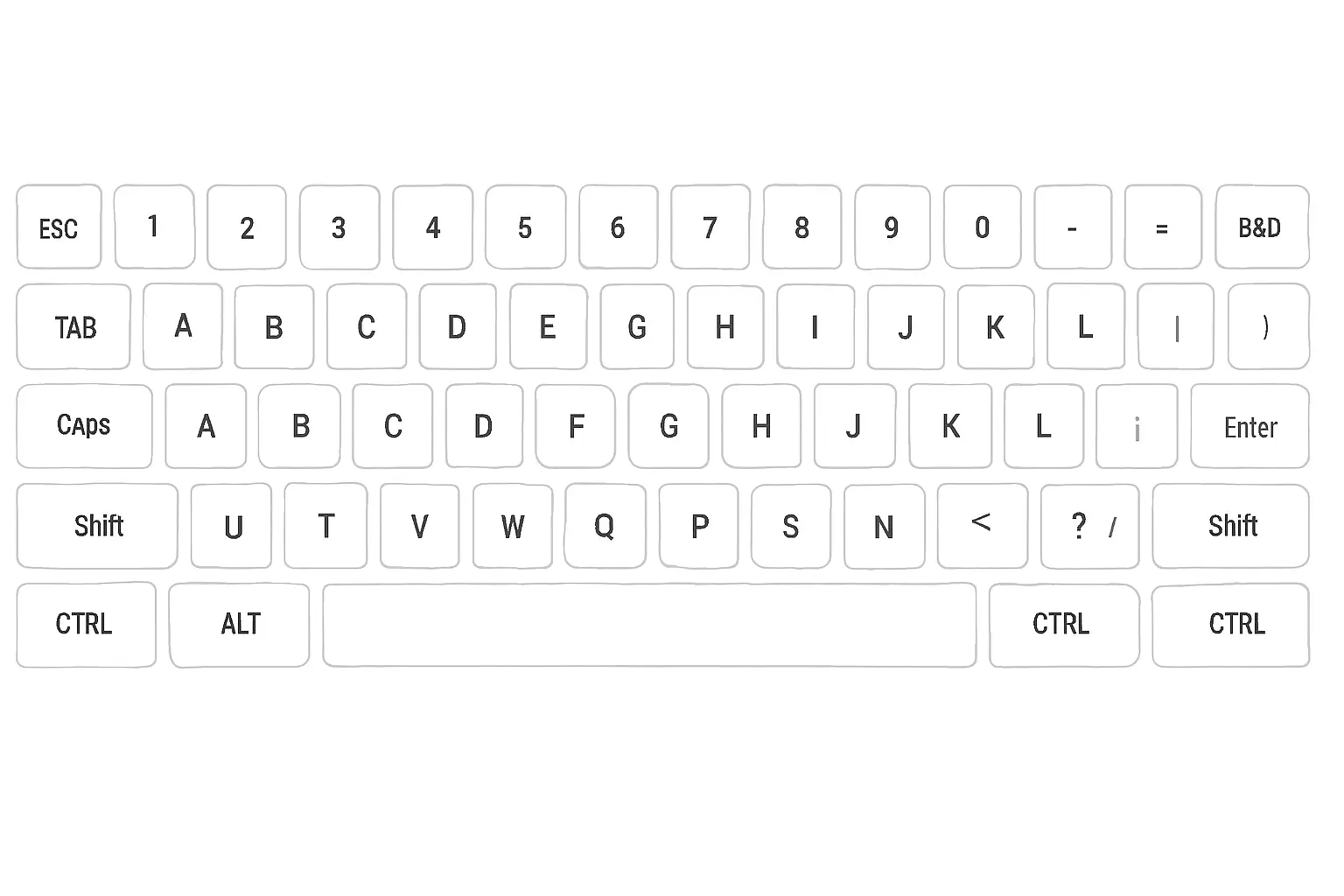
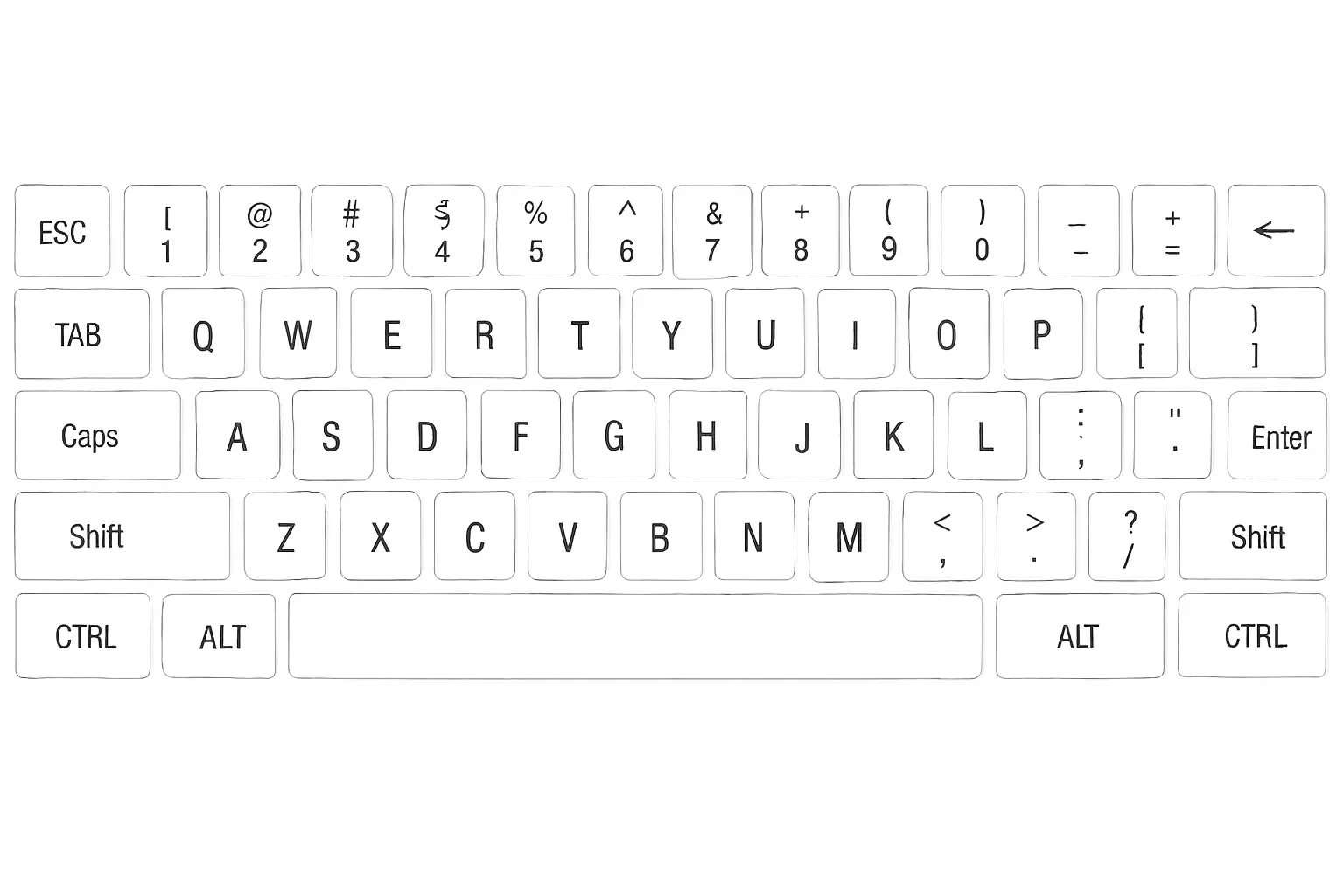
And thus, the QWERTY layout was born.
Letters were deliberately scattered to separate commonly used pairs. This forced the typist’s fingers to travel farther, reducing speed and preventing jams. It was a clever fix for a mechanical problem. But here’s the twist: even after typewriters evolved and computers replaced them, the QWERTY layout stayed.
Why? Because by then, people had already memorized it. It became muscle memory—a subconscious skill. Changing the layout would mean retraining millions of users, rewriting manuals, redesigning hardware. The cost of change was too high. So the scattered layout became the standard.
Even today, with touchscreens and virtual keyboards, we still follow the same pattern. Not because it’s the best—but because it’s what we know.
Conclusion: A Legacy We Still Type On
The keyboard isn’t just a tool—it’s a reflection of history, habit, and human adaptation. What began as a mechanical workaround to slow down fast typists has evolved into a global standard that shapes how we interact with technology every day. Its scattered layout may seem illogical at first glance, but it’s a carefully managed system born from necessity and sustained by familiarity. Whether you’re typing on a laptop or tapping on a phone, you’re engaging with a design that’s over a century old—yet still relevant. Understanding this layout isn’t just about knowing where the letters are; it’s about appreciating the hidden logic behind the tools we use without question. And once you see the story behind the scatter, you’ll never look at a keyboard the same way again.
Follow us on
Leave a Reply